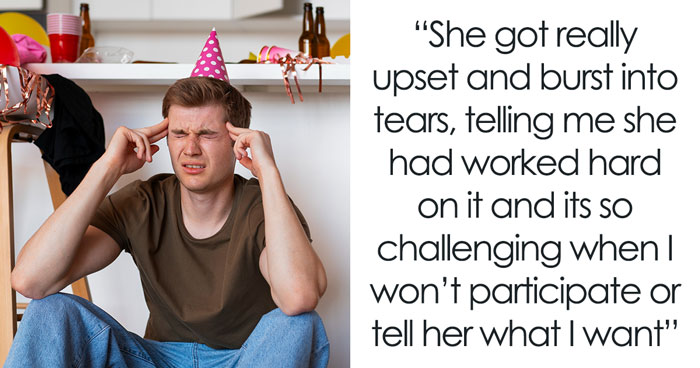
The 2020 lockdown was a weird time. Some were trekking across the land looking for more toilet paper to stock up on, others watched seven seasons of a show in one day, others turned to making sourdough at home. Everyone had their own mechanism for keeping sane.
But one woman discovered that her plan, to change up her personal style, didn’t go over well with her partner . A netizen asked the internet if they were wrong for constantly and consistently criticizing their girlfriend’s new fashion and hair color choices. As one can imagine, this caused no small amount of drama in their household.
Changing up one’s style is a relatively normal thing to do
Woman with green and blonde hair smiles confidently, showcasing her bold style change despite partner’s disapproval.

But one netizen decided they hated their GF’s new clothes and decided to tell her that directly
Woman decides to completely change her style, wearing flashy clothes and platform sneakers despite partner’s dislike.


Text showing a partner commenting on not loving a woman’s new style while she insists she looks different but still herself.
Text graphic showing a question about being annoyed with a girlfriend’s change in style and partner’s dislike about it

Telling a partner what to wear is pretty toxic
Identifying controlling behavior in a relationship can be like trying to spot a chameleon in a dense forest because it often disguises itself as genuine care or simple concern for a partner’s wellbeing. In the story of the partner who decided to embrace fluorescent green hair and platform sneakers, we see a textbook example of how control often begins with critiques of a partner’s physical appearance. While the narrator frames their discomfort as being about social norms or professional standards, the underlying issue is a lack of respect for the other person’s bodily autonomy. Research on psychological control indicates that when a partner attempts to influence how another person dresses or grooms themselves, they are often exerting a form of dominance that can erode the other person’s self esteem over time. This behavior is rarely about the hair color itself and more about the narrator’s desire to maintain a predictable and socially safe image of their partner.
One of the primary signs of a controlling dynamic is when one person feels entitled to set the standard for what is considered normal or acceptable behavior. When the narrator in the post repeatedly asks their partner to wear normal things when they hang out, they are creating an environment where the partner’s authenticity is treated as a problem to be solved. This is a subtle form of social monitoring. Controlling individuals often use the threat of social embarrassment to keep their partners in line, much like how the narrator mentions the stares their partner receives for not wearing a bra.
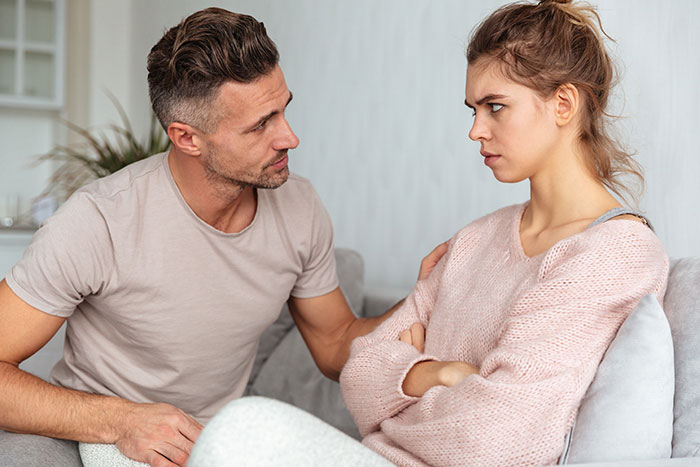
Instead of supporting their partner’s comfort or choice, the narrator uses public perception as a tool to pressure them into conformity. According to experts at The Gottman Institute , criticism that targets a person’s character or identity rather than a specific behavior is one of the most destructive forces in a relationship. By labeling the partner’s new style as something that needs to be fixed for public consumption, the narrator is prioritizing their own comfort over their partner’s self discovery. This often stems from a fear that if the partner changes, the relationship dynamic will shift in a way the controller cannot manage.
There is a difference between preferences and control
Another major red flag is the refusal to accept a partner’s boundaries when they express a desire for independence. In the story, the partner explains that they feel more comfortable and more themselves in their new style, but the narrator continues to push the issue until it erupts into a fight. A healthy response to a partner’s change would involve curiosity and support, but a controlling response involves judgment and a demand for a return to the status quo.
When the narrator asks what the partner will do when they return to the office, it isn’t just a logistical question but a way to plant seeds of doubt about the partner’s professional competence. This tactic is often used to make a partner feel like they cannot survive or succeed without the rational guidance of the controller. Research published by Psychology Today highlights that controlling people often present themselves as the voice of reason while making their partners feel impulsive or irrational. This gaslighting of a partner’s choices makes them second guess their own reality and preferences.
It is also important to look at how a person reacts when their advice is ignored. In the Reddit scenario, the narrator is annoyed that the partner isn’t listening, which suggests an expectation of compliance. In a balanced relationship, both people should feel free to experiment with their identity without fearing that it will cause a major conflict with their significant other. When the phrase “I don’t like your hair” turns into “you are being rude for not dressing how I want,” the shift from preference to control is complete.
Love should be a safety net that allows a person to jump into new experiences, not a cage that keeps them grounded for the sake of appearances. Control can also manifest as emotional manipulation where the narrator makes their own annoyance the centerpiece of the conversation, effectively guilt tripping the partner for their joy. Understanding these patterns is the first step toward building a relationship based on true equality and respect. If you find yourself in a situation where your partner’s style makes you uncomfortable, it might be worth asking whether you love the person or the version of them that makes your life feel more convenient. True partnership requires us to let go of the steering wheel and trust that our partner knows exactly who they are becoming, even if they look like a bright green neon sign while doing it. This kind of radical acceptance is what separates a controlling dynamic from a loving one that fosters growth and happiness for both individuals involved.
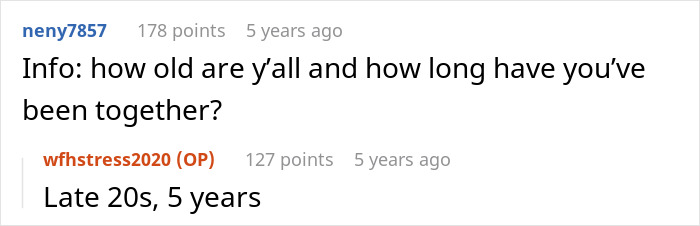
One reader wanted more details
Screenshot of a conversation about relationship length, featuring a woman deciding to change her style despite partner’s dislike.
A handful saw the author’s point of view
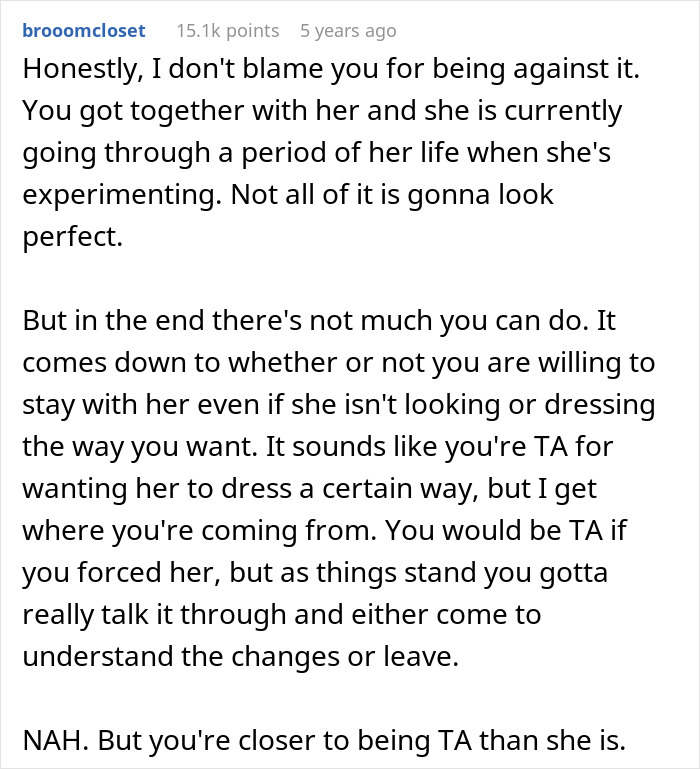
Comment discussing a woman deciding to completely change her style despite partner’s negative opinions on her new look.
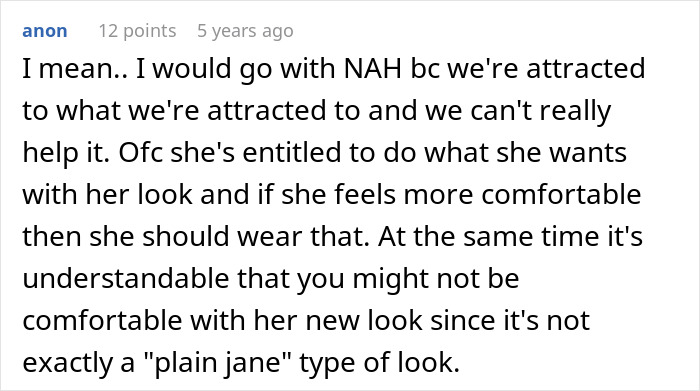
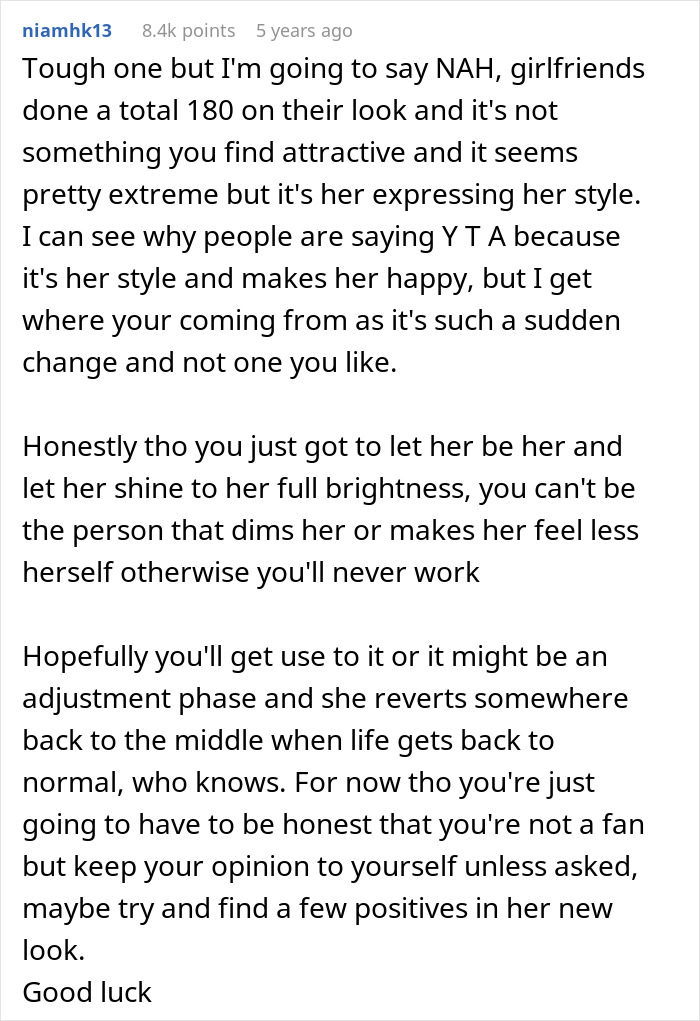

Commenter expressing support for a woman who changes her style despite partner not liking the new look.
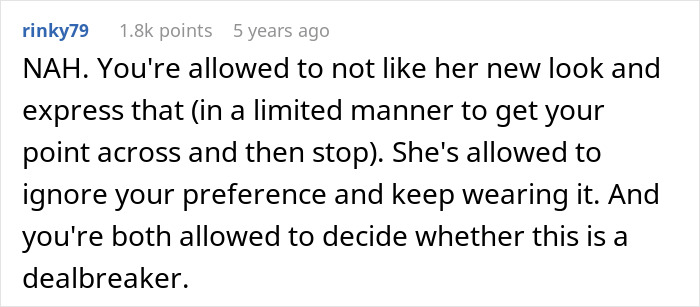
Comment stating a woman has the right to change her style despite her partner not liking it in an online discussion.

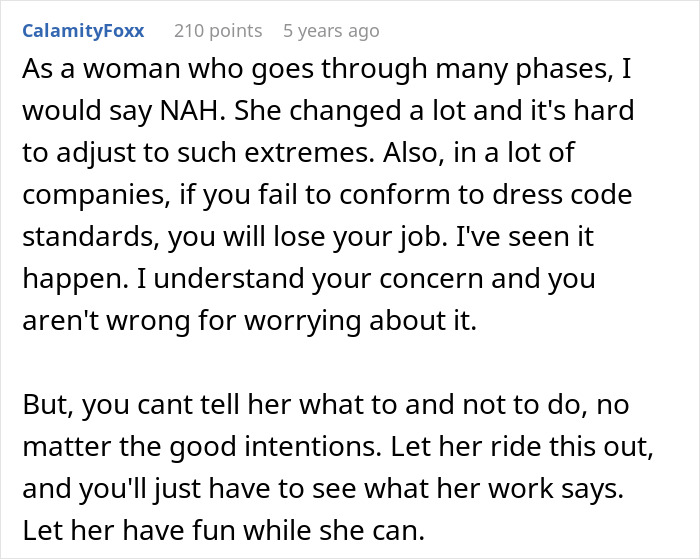
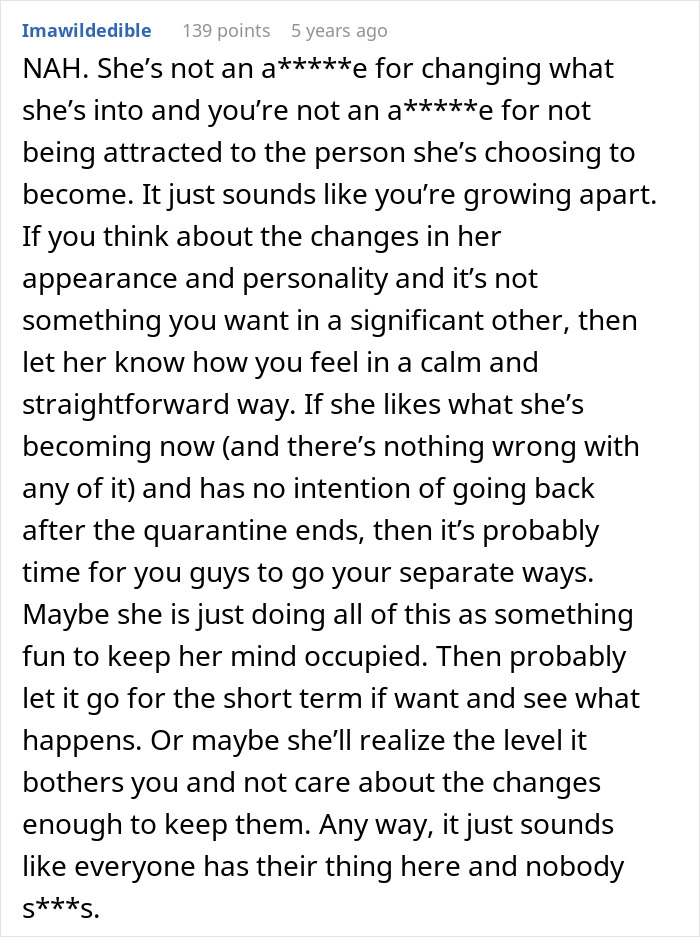
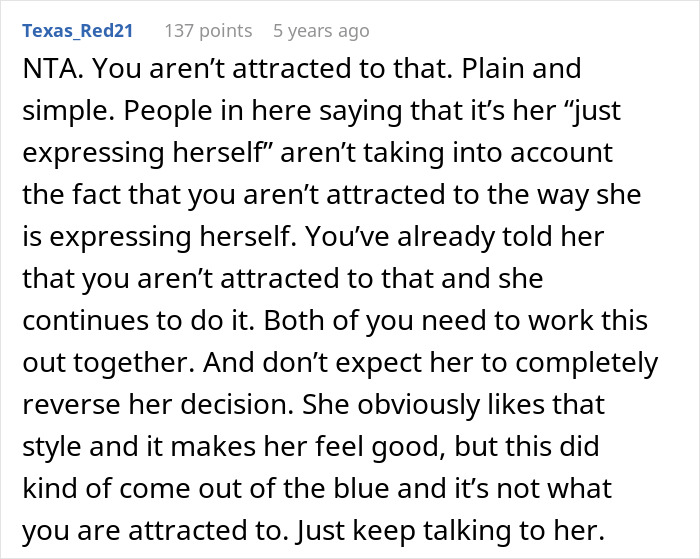
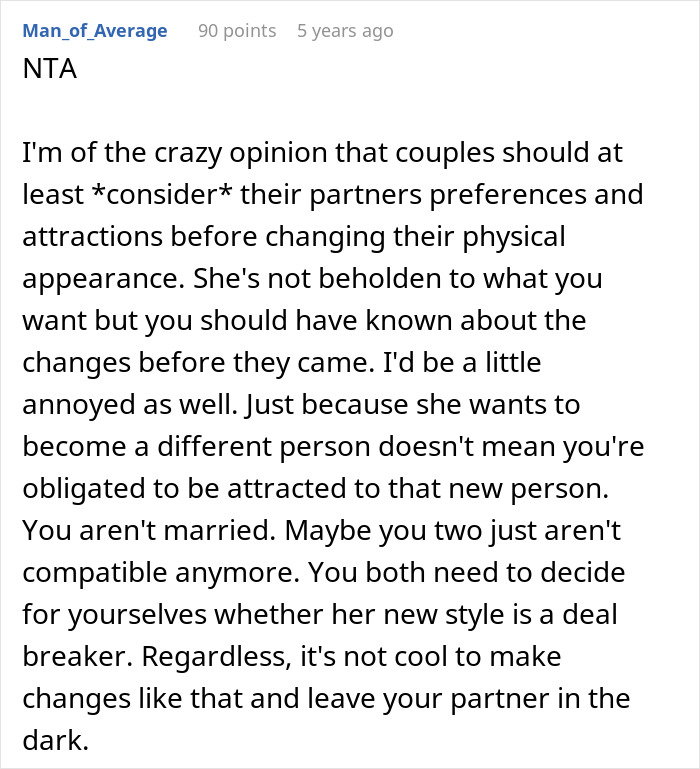
User comment on a forum discussing a woman deciding to completely change her style despite partner’s dislike.
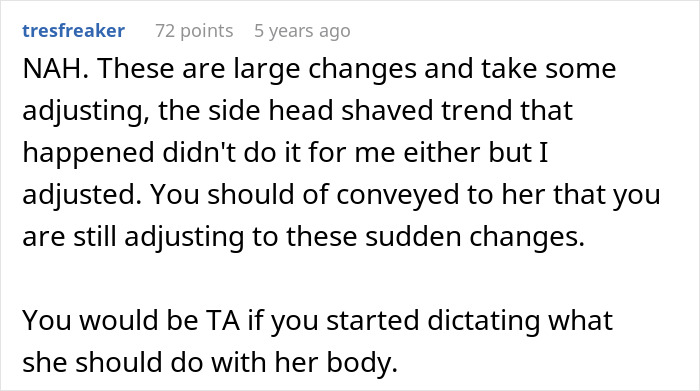
Screenshot of a forum comment discussing a woman deciding to completely change her style despite partner’s opinion.
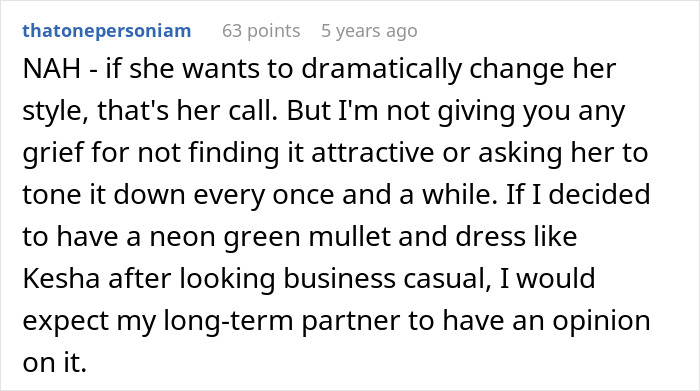
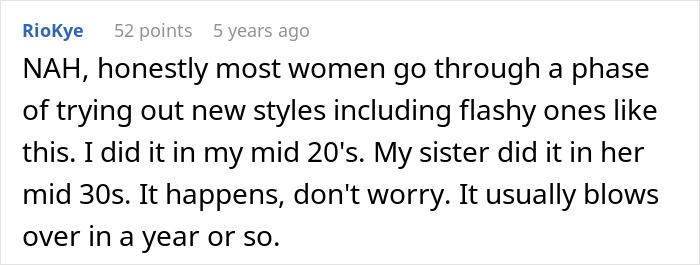
Comment discussing a woman deciding to completely change her style despite partner’s dislike, emphasizing personal choice.
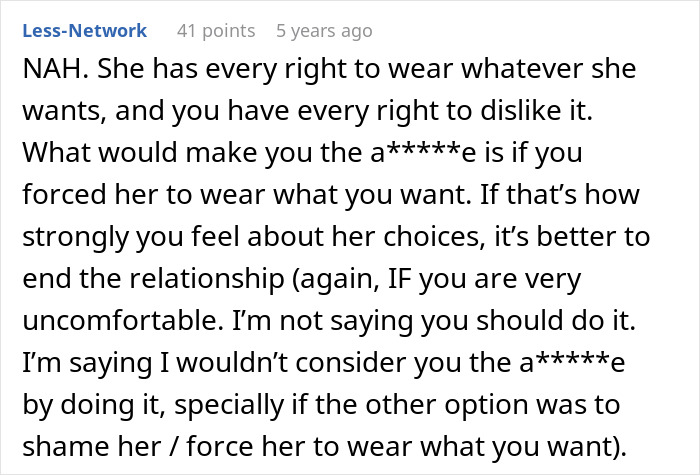

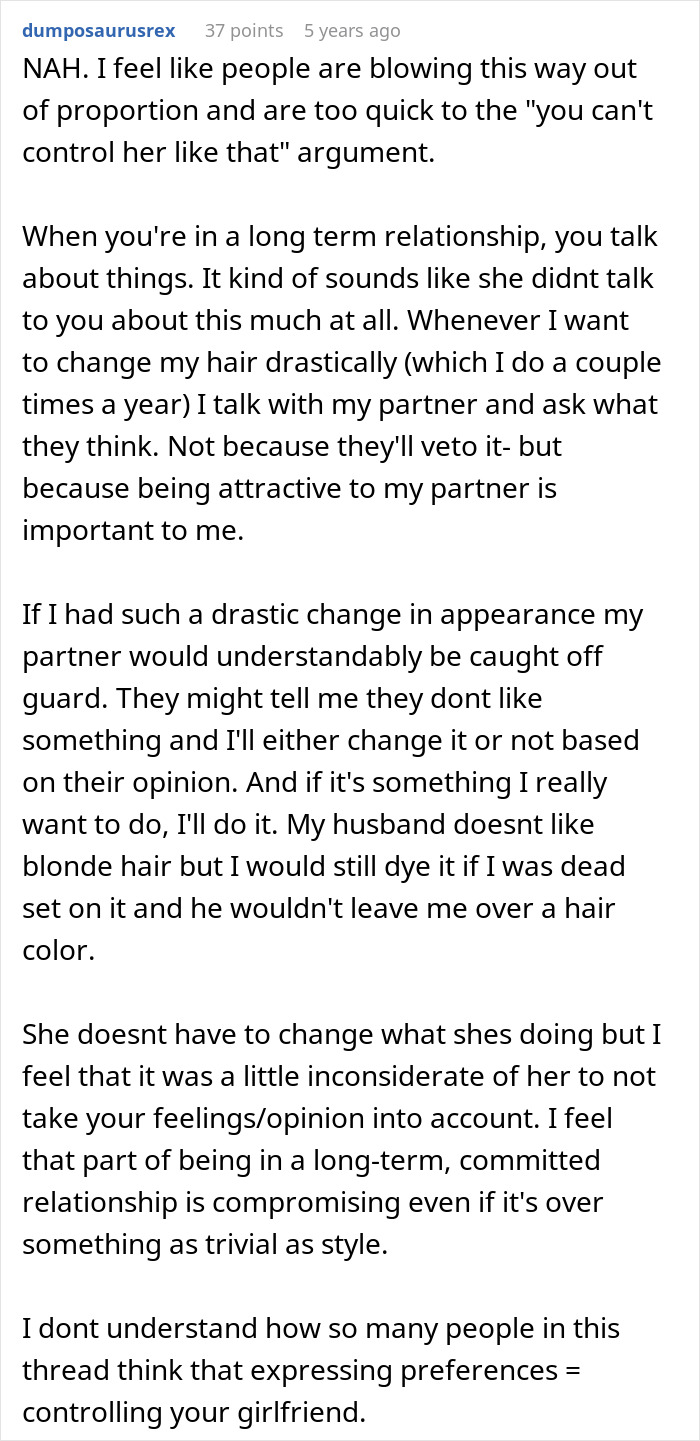
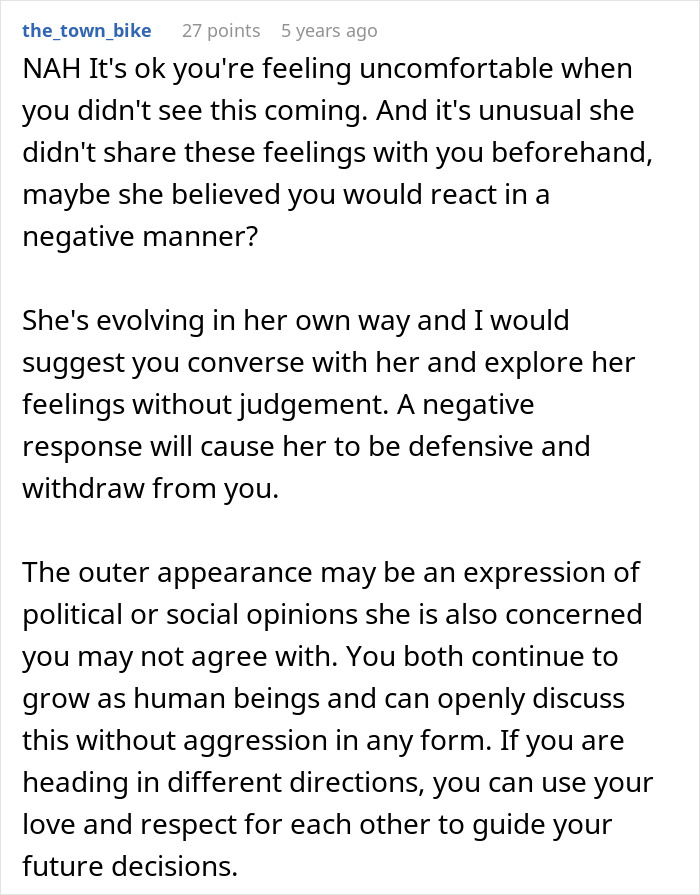
Screenshot of an online comment discussing a woman who changes her style despite her partner’s negative reaction.
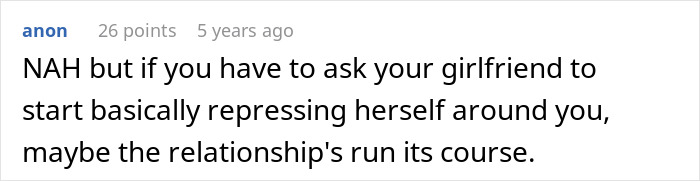
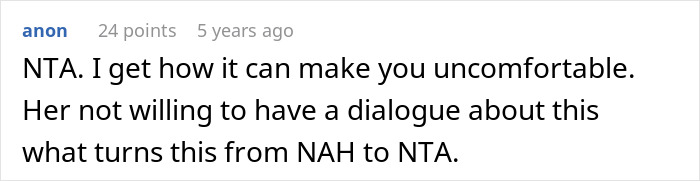
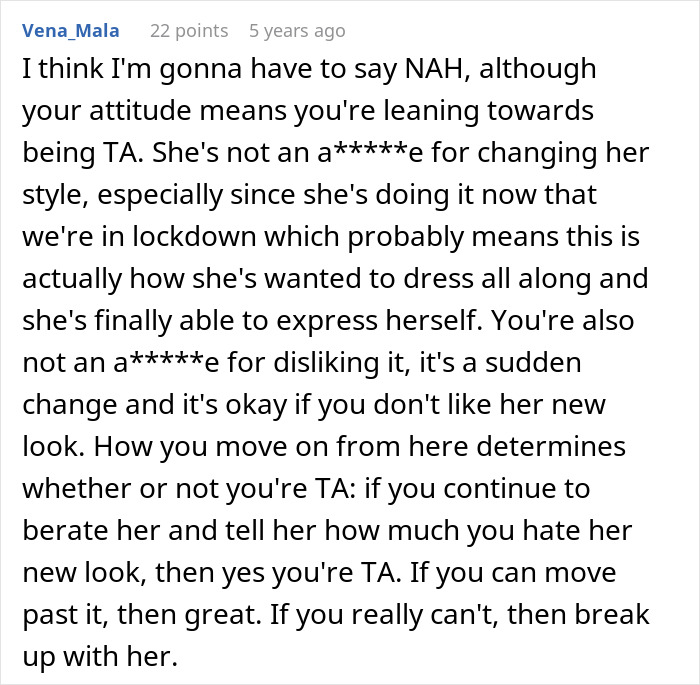

Screenshot of an online comment discussing a woman deciding to completely change her style despite partner’s dislike.
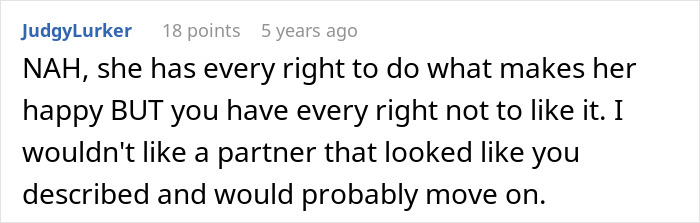
User comment discussing a woman experimenting with her fashion and style despite partner’s dislike of the change.
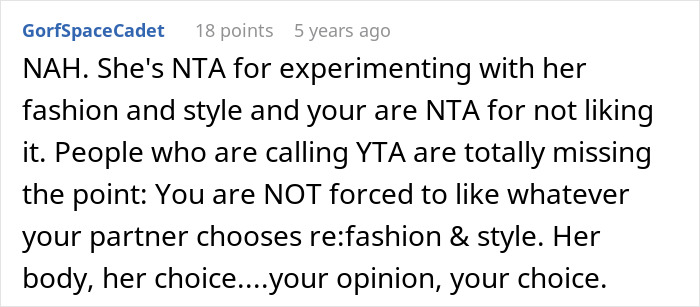
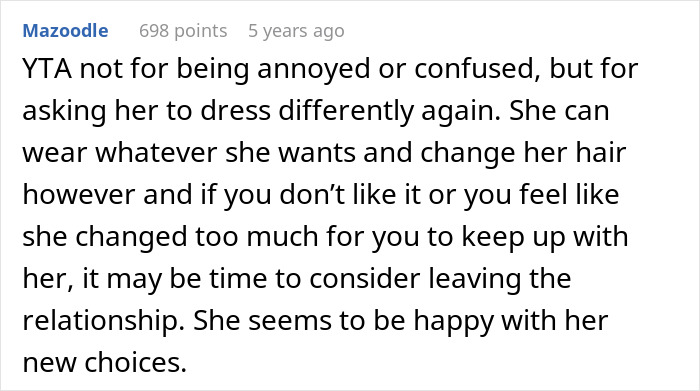
But many thought he was being controlling
Comment discussing a woman changing style and partner’s opposition, focusing on fashion choices and personal expression.
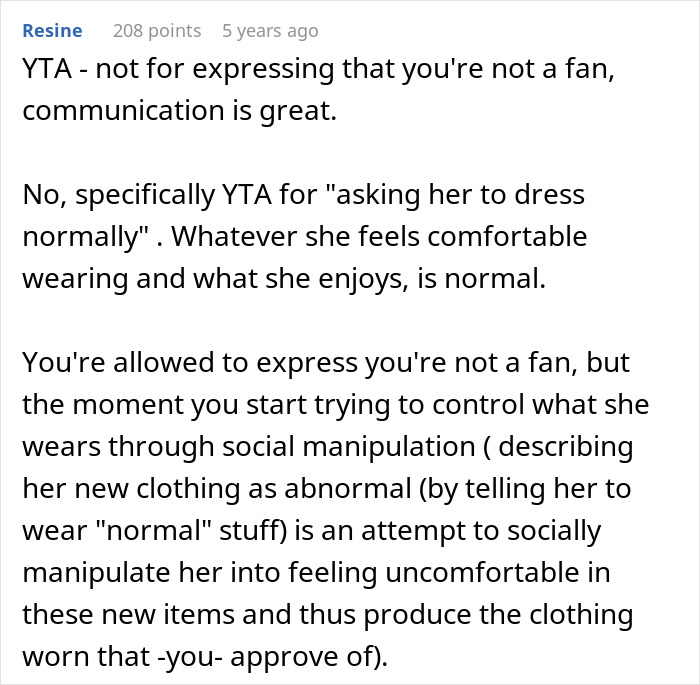
Comment discussing a woman deciding to completely change her style despite her partner’s negative opinions.
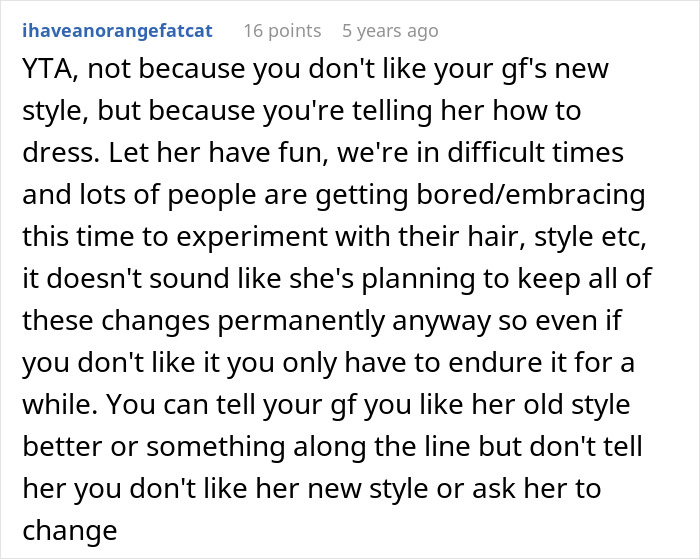
Screenshot of a social media comment discussing a woman deciding to completely change her style despite partner’s disapproval.

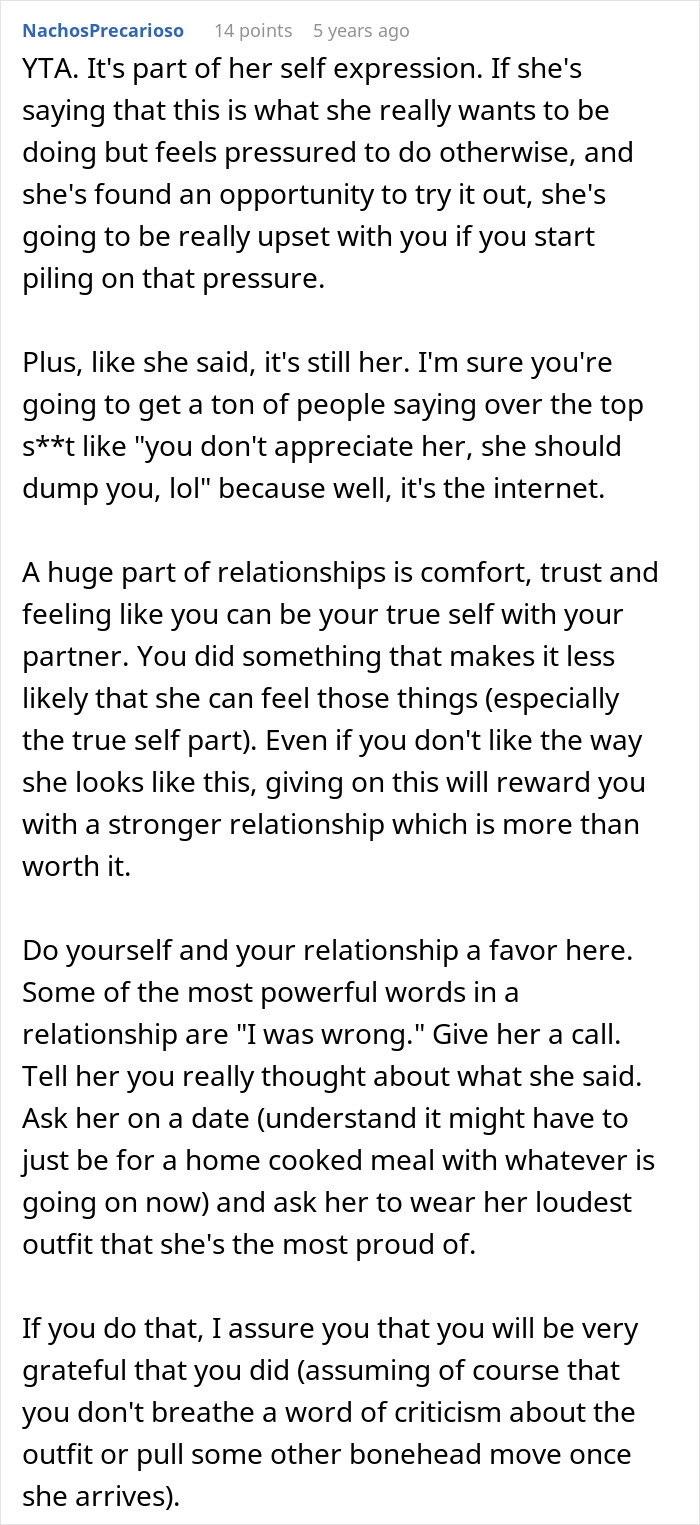
Screenshot of a forum comment discussing a woman deciding to completely change her style despite partner’s dislike.
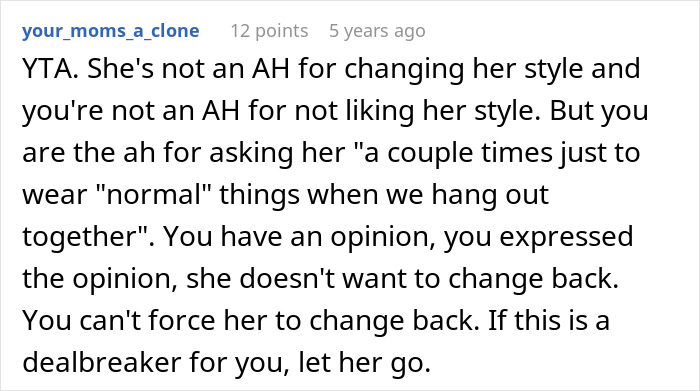
Reddit user commenting on woman changing her style despite partner’s dislikes, discussing coping and social pressure.
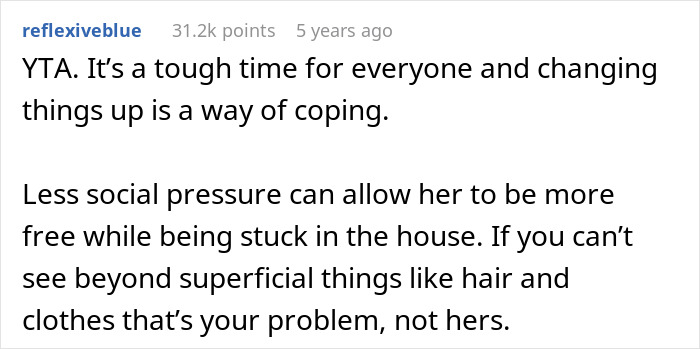
Comment discussing a woman deciding to completely change her style despite partner’s negative opinions.
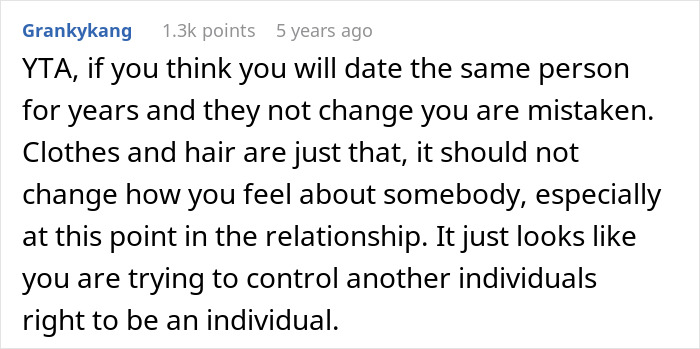
Comment discussing a woman deciding to change her style and ignoring partner’s negative reactions at home.
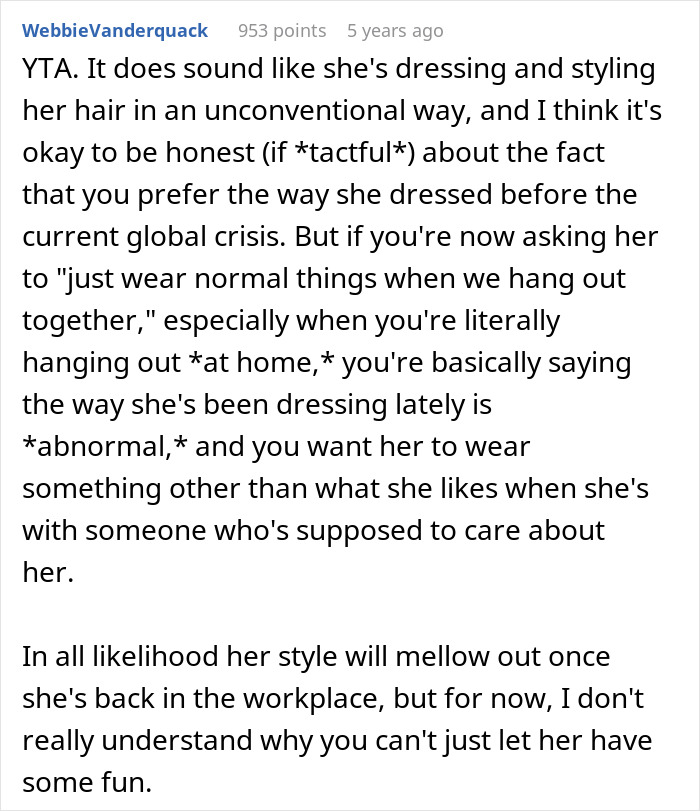
Text comment about a woman deciding to completely change her style despite partner’s dislike, focusing on personal happiness.
Thanks! Check out the results:

Anyone can write on Bored Panda. Start writing!
Follow Bored Panda on Google News!
Unlock an Enhanced Experience with Bored Panda Premium
Go ad-free, access unlimited content, and enjoy our sleek dark mode. Your favorite stories, uninterrupted.

No fees, cancel anytime

Olympian Makes Stunning Admission After Judge’s Conspicuous Scores Ignite Cheating Accusations