Relatively not so long ago, body art was associated with rebellion and trouble. Fortunately, today, its acceptance seems to be broadening. As a result, people with tattoos don’t have to worry as much about getting a job just because they have a few scribbles on their body. That said, there are still professional environments that have tighter restrictions when it comes to visible ink.
Redditor Sjbluebirds recently shared his experience when a new owner enforced a “no tattoo” policy where he works. The change was so extreme that they missed out on competent professionals and even had to dismiss an employee with over 40 years of experience. Livid about this, the worker turned to the anti-work community to vent his frustrations.
Scroll down to find the full story and a conversation with its author, who kindly agreed to tell us more about it. We also reached out to Kyle Smith , HR and leadership advisor and the host of the HRKyle podcast, who answered some of our questions about tattoos in professional settings.
Even though body art has become more and more acceptable in professional settings, some companies still have restrictions
Man with tattoos on neck and arms wearing a black shirt, seated outdoors.

This employee became livid after a new “no tattoo” policy was enforced in his workplace, resulting in the loss of an experienced colleague
New owner enforces “No Tattoos” policy, resulting in the firing of the best machinist at a small machine shop.
<img loading=“lazy” src=“https://static.boredpanda.com/blog/wp-content/uploads/2024/04/author_d0ce0e980bc873d66f26315930f0e844.jpg" onerror=“this.onerror=null;this.src=‘https://blogger.googleusercontent.com/img/a/AVvXsEhe7F7TRXHtjiKvHb5vS7DmnxvpHiDyoYyYvm1nHB3Qp2_w3BnM6A2eq4v7FYxCC9bfZt3a9vIMtAYEKUiaDQbHMg-ViyGmRIj39MLp0bGFfgfYw1Dc9q_H-T0wiTm3l0Uq42dETrN9eC8aGJ9_IORZsxST1AcLR7np1koOfcc7tnHa4S8Mwz_xD9d0=s16000';" alt=“New owner enforces “No Tattoos” policy, resulting in the firing of the best machinist at a small machine shop. - 2”>
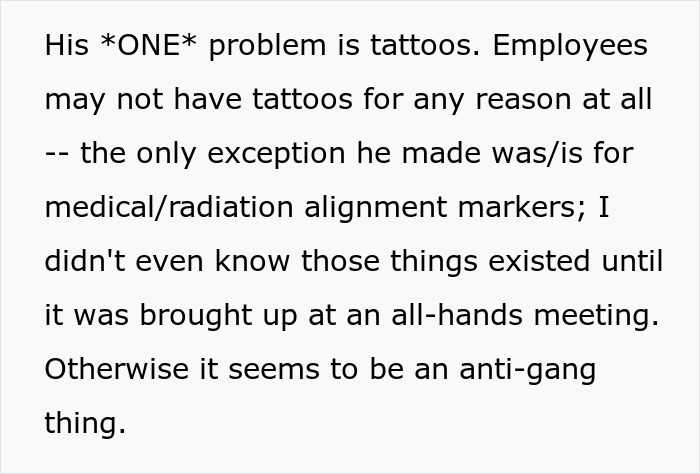
Text discussing a new boss’s strict policy against tattoos with exceptions for medical markers; perceived as anti-gang.
Five men standing together outside a building, one with visible arm tattoos.

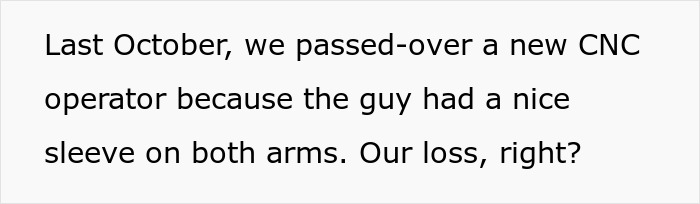
Text about a CNC operator not hired due to arm tattoos.
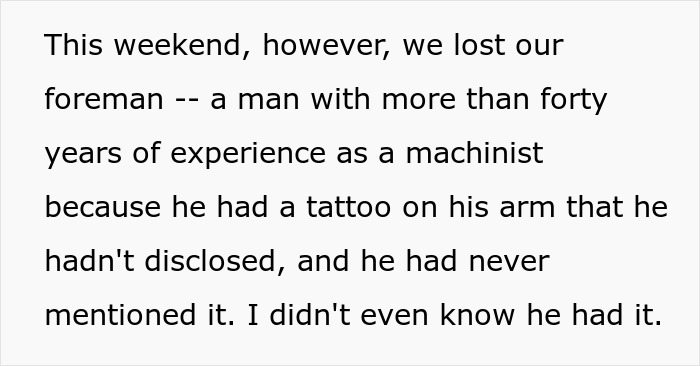
Text about a machinist’s dismissal due to a non-disclosed tattoo on his arm.
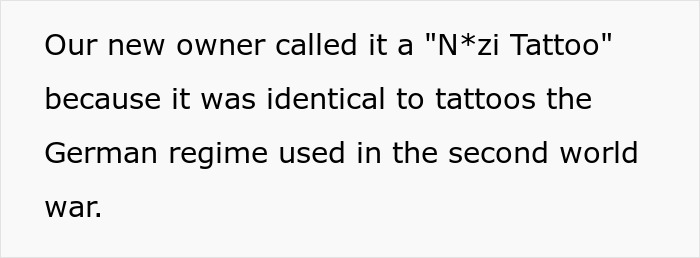
Text about a new boss’s policy referring to tattoos with historical significance.
Text about a machinist’s tattoo of his grandmother’s concentration camp numbers in remembrance.
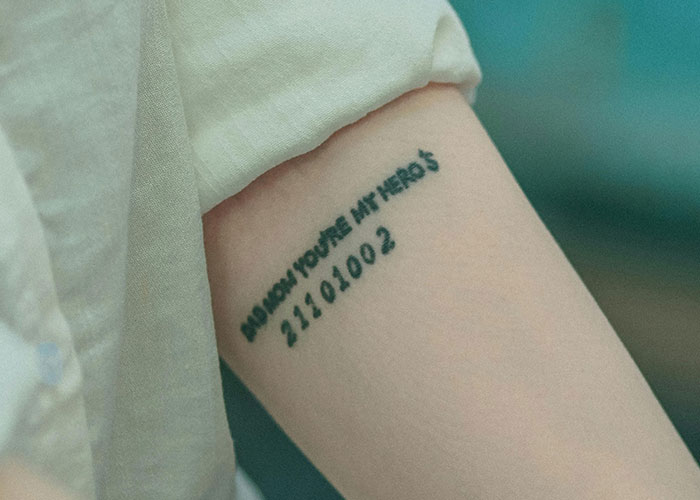
Tattooed arm with numbers and text under a white sleeve, linked to a grandmother’s story.
Text expressing anger over losing the best machinist for an unreasonable reason.
Text expressing frustration over a workplace situation related to a fired machinist.
“I was angry that the owners would let a very experienced employee go for such a silly reason”
He also wanted to clear some things up by saying, “When the policy was announced last year, anyone with a tattoo could stay at work — just as long as employees disclosed they had one prior to the policy implementation. Our foreman did not disclose his tattoo at the time. No ‘new’ tattoos would be permitted in the workplace.”
He further tells us that the foreman was in his sixties and had been actively thinking about retiring. The whole commotion at work made him decide to retire six months earlier, which also granted him 8 months of severance pay. “He says he holds no animosity towards the owners. We are having a party for him on-site tomorrow (Friday), even though he has asked us not to make a “big deal” out of the situation,” he shares.
According to the author, the machinist wasn’t too concerned about being dismissed after spending four decades at the company. “The rumors at work suggest he wanted the severance package, which he would not have qualified for, had he simply retired. I am not privy to the actual details of his departure.”
He also mentions that younger employees tried complaining when the new owner enforced such a policy. However, the older workers (who also had tattoos) believed that they interfered with professionalism and evoked regret.
After witnessing such an incident, the author still thinks that similar guidelines aren’t necessarily bad. “I think any privately-owned business should implement the best policies they can for their employees, subject to the best information they have available,” he says.
“If “no new tattoos” is their policy, the owners have the right to implement it, and accepting the policy is part of the employment agreement. If “don’t use a competitor’s product” is the policy, then the owners have the right to enforce that policy as well, even though it infringes on the employees’ right to freely engage in commerce.”
Instead of abolishing policies discriminating against body art, he urges that we need to work on communication regarding expectations and needs between management and labor. “Policies are implemented to protect labor and management from each other and litigation; communication builds bridges between them and is much more important,” he concludes.
Machinist in an orange vest operating heavy machinery in a factory setting.

About 40% of the US workforce has tattoos, with workers in agriculture being the most heavily inked
About 40% of the US workforce has tattoos , with workers in agriculture being the most heavily inked and government employees being the least. However, a similar number of employees believe that body art isn’t appropriate in the workplace. Therefore, only 12% of individuals showcase them at work.
A whopping 76% of employees feel that tattoos and piercings hurt their job interview chances, indicating that there’s still plenty of stigma surrounding ink on the skin in the workplace. 6% even say that they wouldn’t hire someone with visible ink.
HR and leadership advisor Kyle Smith tells us that this comes from associating body art with trouble or problems in the company. “ We’re only a generation or two removed from when tattoos were a statement of rebellion, where now they are viewed as more of a fashion statement. There are still employers who come from the mindset that tattoos are an indicator of an employee who is an instigator or troublemaker. Which, of course, we know is not true.”
As a result, Smith says that these policies limit recruitment because a significant part of the working population has ink on their bodies. These guidelines might also feel like an infringement on personal choices, which can negatively affect worker morale. “A key component of retention is the feeling that you belong. Where policies contradict that, retention will also suffer,” he adds.
Man with tattoos sits pensively by the sea, wearing a white shirt and cap.

“Employers are much more forgiving of tattoos than even 5-6 years ago”
The good news is that 73% of people say that they would hire staff with visible body art , and only 4% say they’ve actually faced discrimination in their jobs because of it. Smith adds to this by saying, “Employers are much more forgiving of tattoos than even 5-6 years ago. Especially if they are not visible or very limited in visibility. The other factor is if there are only 1-2 tattoos or very limited coverage on the body. For blue-collar jobs, it is a non-issue regardless; again, with a few limitations – tattoos on the neck or face are still widely unacceptable in a lot of job situations.”
In order to attract and retain more workers, the policies concerning the visible display of tattoos are changing . Companies including Disney, UPS, and Virgin Atlantic have relaxed their dress codes so employees can show their body art while working. This is primarily due to the scarcity of workers, which became even worse during the pandemic.
“Tattoos matter to people, and while there was a time where people may have gotten a tattoo on a whim, more frequently now a tattoo really matters to someone; it’s part of who they are,” Christopher Bartlett, UPS vice president of people and culture, said. However, any ink on the face, head, or neck is still not permitted.
Enrica Ruggs, an associate professor at the University of Houston, says that recent research has found that tattoos now reflect a sense of belonging, particularly the ones that honor a loved one or call out their culture or profession. She ran an experiment that revealed that tattooed employees had just as many sales as those without body art. In fact, inked workers in white-collar or creative jobs were perceived more favorably and competently than their non-tattooed counterparts by customers.
“As employers, we realize that it is a fashion statement and a statement of expression, and it does not pose a threat to our operation nor does it signify anything negative about the person or the company,” Smith says. To promote acceptance of workers with tattoos in professional settings, he says we should treat body art as any other accessory, like watches or earrings, where the only concern is the wearer’s safety rather than their perceptions.
“The other important factor is not condoning behavior that treats the employee with tattoos as different, bad, or trouble. If the tattoo is not affecting the employee’s work performance, it should be a non-subject in the workplace,” he concludes.
Tattooed machinist’s hands preparing food in a kitchen setting.

Reddit discussion about unionization in response to a machinist’s firing due to a controversial tattoo.

The bigger part of the people seemed to be against the “no tattoo” policy
Comment discussing the firing of the best machinist due to a new boss’s policy on tattoos.

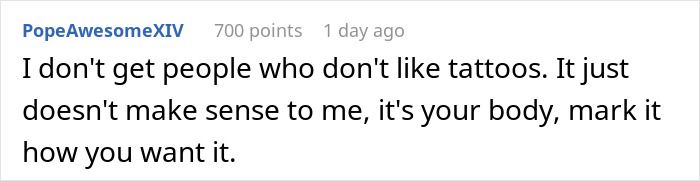
Screenshot of a Reddit comment discussing opinions on tattoos and personal choice.
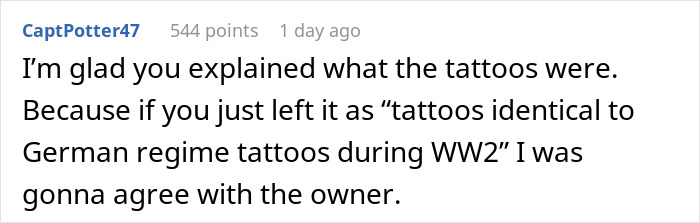
Reddit comment discussing tattoos related to historical numbers mistaken as German regime tattoos.
Comment criticizing new boss’s policy related to machinist’s tattooed numbers.

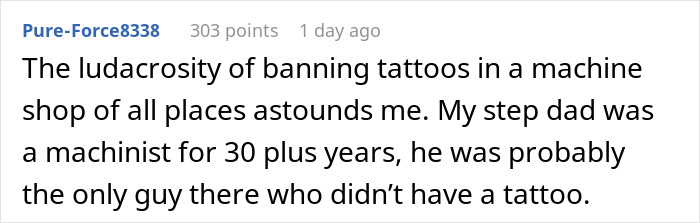
Comment discussing a tattoo ban for machinists in a machine shop setting.
Comment questioning freedom and capitalism in “land of the free” context.
<img loading=“lazy” src=“https://static.boredpanda.com/blog/wp-content/uploads/2024/04/comment_1a8ba15ad864001c78d147a4218a10cf.jpg" onerror=“this.onerror=null;this.src=‘https://blogger.googleusercontent.com/img/a/AVvXsEhe7F7TRXHtjiKvHb5vS7DmnxvpHiDyoYyYvm1nHB3Qp2_w3BnM6A2eq4v7FYxCC9bfZt3a9vIMtAYEKUiaDQbHMg-ViyGmRIj39MLp0bGFfgfYw1Dc9q_H-T0wiTm3l0Uq42dETrN9eC8aGJ9_IORZsxST1AcLR7np1koOfcc7tnHa4S8Mwz_xD9d0=s16000';" alt=“Comment questioning freedom and capitalism in “land of the free” context. - 21”>
Comment questioning a new policy in a machine shop.

Screenshot of a Reddit comment discussing news station reactions to a controversial tattoo policy.

Comment criticizing a boss for firing a machinist over a tattoo of his grandmother’s numbers.

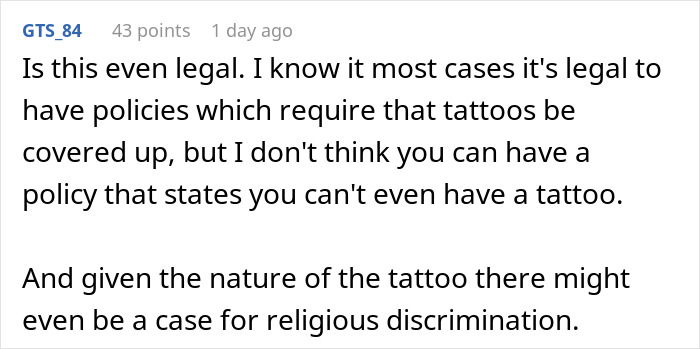
A Reddit comment discussing tattoo policy legality and potential religious discrimination.
A Reddit comment about a machinist fired over a Holocaust memorial tattoo.

Reddit comment expressing displeasure about a tattoo-related firing policy.
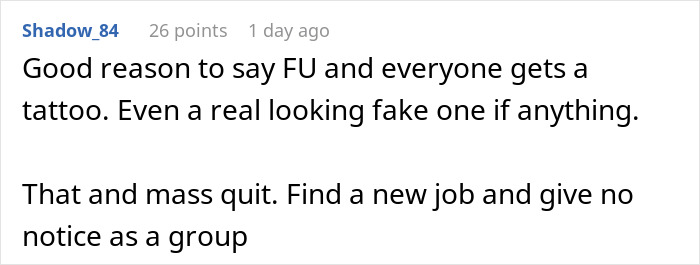
Text discussing tattoos and workplace discrimination.
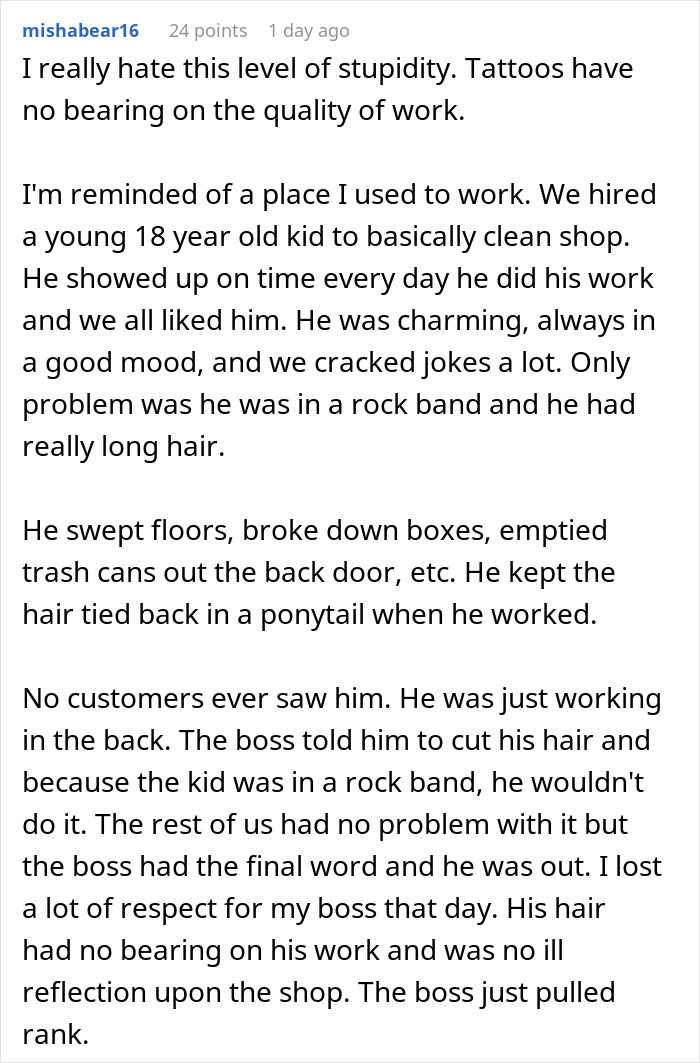
Reddit comment questioning tattoo policies at a machine shop, mentioning it’s not the Vatican.

Thanks! Check out the results:

Anyone can write on Bored Panda. Start writing!
Follow Bored Panda on Google News!
Unlock an Enhanced Experience with Bored Panda Premium
Go ad-free, access unlimited content, and enjoy our sleek dark mode. Your favorite stories, uninterrupted.

No fees, cancel anytime
:max_bytes(150000):strip_icc():focal(749x0:751x2):format(webp)/james-van-der-beek-melissa-joan-hart-clarissa-explains-it-all-01-021126-2fc520a096c546d78a9ae1173c5c4a29.jpg)

Olympian Makes Stunning Admission After Judge’s Conspicuous Scores Ignite Cheating Accusations