Few things are more annoying than managers making unreasonable demands, and unfortunately, in many industries, it’s not that rare of an occurrence.
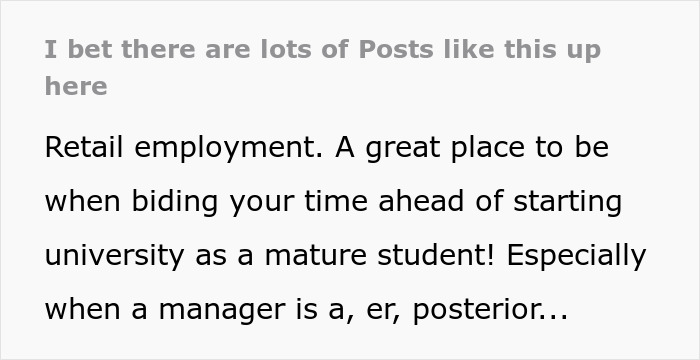
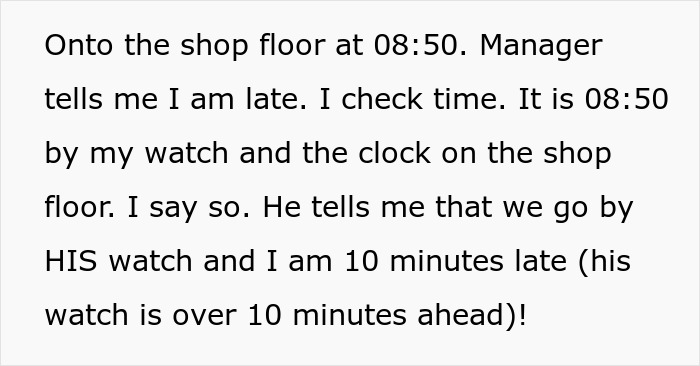
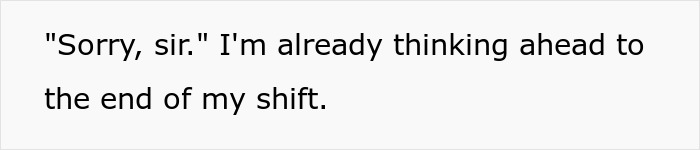
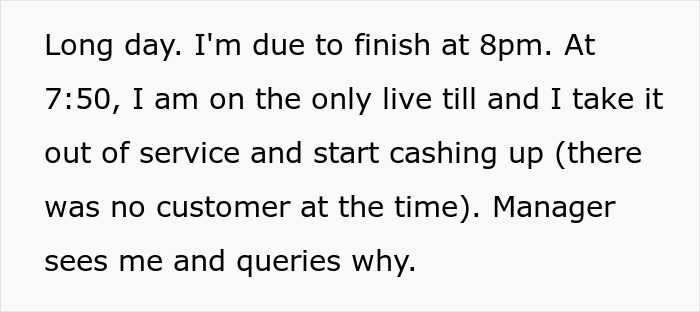
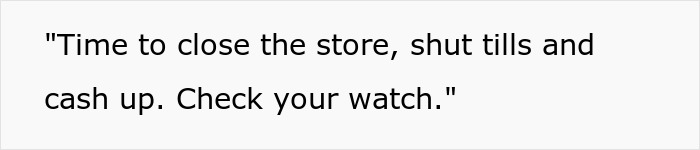
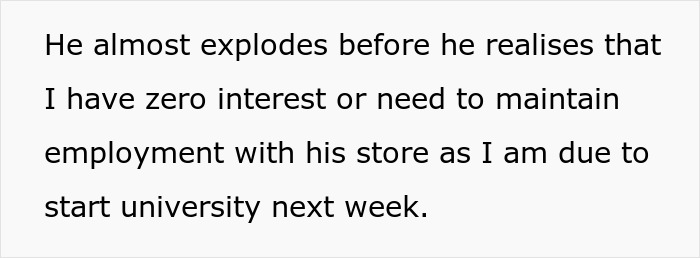
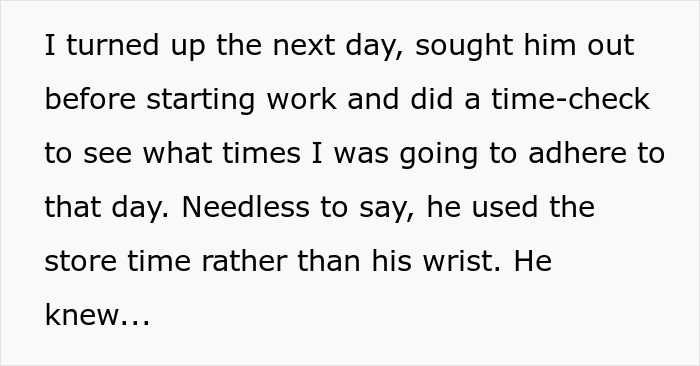
This redditor’s story shows that retail is no exception; they told the ‘ Malicious Compliance ’ community about their boss who wanted them to work according to their clock, which was not set right. The superior expected to make use of the employee with his demands, but he got a taste of his own medicine instead.
Aggravating managers have the power to make employees’ day-to-day needlessly more difficult

This superior demanded that his employee work according to his watch, which was not set right


Unfortunately, some organizations excuse aggravating manager behavior
Many people have likely encountered at least one aggravating superior over the course of their careers . Be it the head of the entire company or a shift manager overlooking not more than a couple employees, they have the power of making the lives of those ranking underneath them significantly easier or a living hell.
In the latter case, said sense of power can reveal the manager’s darker side, consequently making their presence difficult to bear. Research on how power affects people suggests that such a feeling of dominance can influence the way people perceive others, often entailing a decreased perception of humanity in those around them, elevated implicit bias, and objectification.
That’s why, according to the research, it is crucial to mitigate power abuse and foster social responsibility, and one of the suggested ways to do it is selecting ethical candidates to positions of power.
Unfortunately, that’s not always what happens. Some superiors are so unqualified or simply difficult to deal with that employees have nightmares about them or endure weekend anxiety caused by the thought of having to return to work after it ends. That is the grim reality presented by Stagwell’s research , which found that as much as half of employed individuals suffer from the former, and more than 70% do from the latter.
“We shouldn’t be shocked to find these kinds of bosses around. Sadly, many organizations reward or at least excuse the very behaviors that make a boss tough to deal with,” organizational behavior expert Jon Gruda Ph.D. told Bored Panda in a recent interview.
“If we want our workplaces to be less about surviving and more about thriving, we have to rethink the whole setup. We need workplaces where toxic leadership is not only discouraged, but also where being a good boss and a good person is directly linked to rewards and career advancement.”

Having some level of power can reveal not the greatest of colors on a person
According to Dr. Gruda, dealing with an aggravating superior daily can significantly impact an employee’s well-being, leading to increased stress, job dissatisfaction, and potential burnout. “This heightened stress level can, in turn, impair their performance, manifesting as reduced productivity, diminished creativity, and a higher likelihood of mistakes,” he pointed out.
“Having to deal with such leaders also is associated with heightened anxiety in followers . Plus, that work stress doesn’t just stay at work; it tends to follow you home, messing with your friendships and how content you feel in general.”
While discussing the role power plays when it comes to annoying bosses, the expert suggested imagining giving a microphone to someone who’s already loud—suddenly, they’re heard by everyone. “That’s what tends to happen when someone with a me-first attitude gets power. Their not-so-great traits don’t necessarily get worse; they just get more noticeable, affecting more people. And those traits that might have been no big deal in a small role can cause a lot more drama when they’re calling the shots.”
People in all sorts of fields seem to dislike their superiors, but retail tops the list
According to another study, carried out by GoodHire , less than half of respondents from ten of the most popular job sectors believe that their manager is open and honest about promotion opportunities or during conversations related to salary and compensation. That might be one of the reasons why more than four-in-five employed individuals say that they could do their manager’s job or could do their own job without the involvement of their manager.
If you’re thinking that you could probably do your job without a manager, too, you’re likely not alone in your field of work. Statistics show that representatives of all sorts of fields are unhappy with their managers, retail—”a great place to be when biding your time”, as the OP put it—being the industry where people hate their bosses the most.
Lining up right behind retail is the healthcare industry, followed by sales, the fields related to property and construction, energy and utilities, and public services together with public administration respectively.

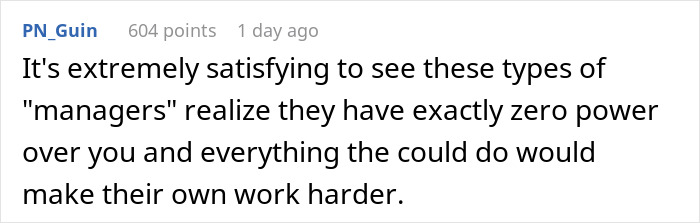
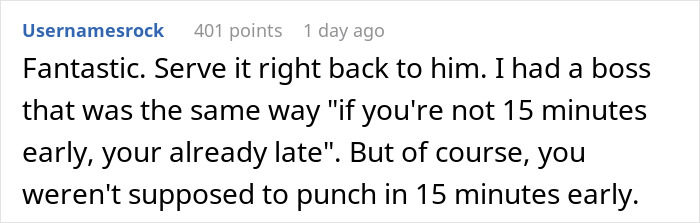
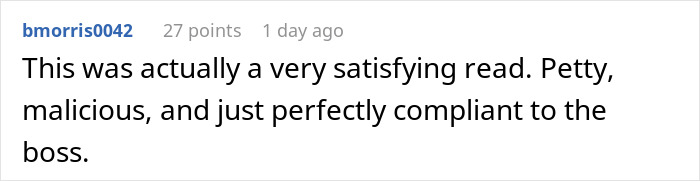






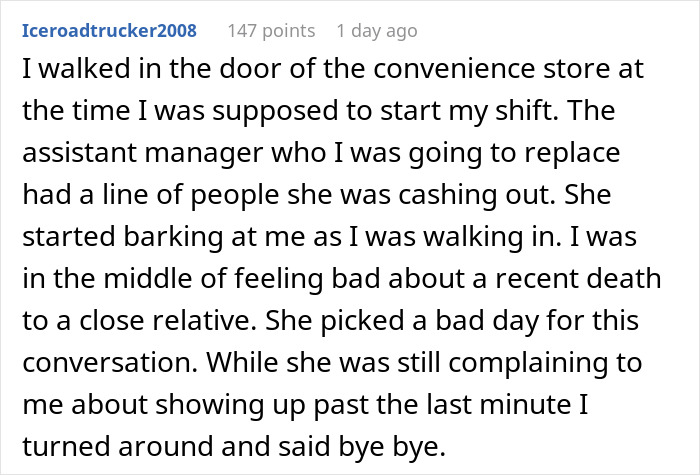
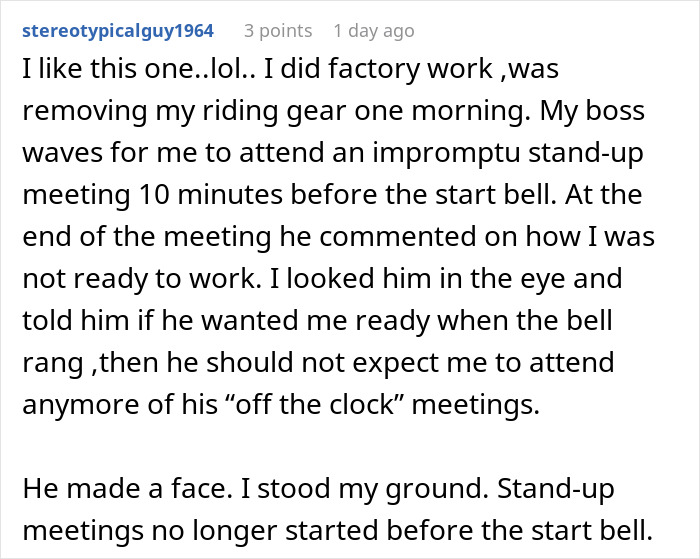
Some netizens discussed similar personal experiences


Thanks! Check out the results:

Anyone can write on Bored Panda. Start writing!
Follow Bored Panda on Google News!
Unlock an Enhanced Experience with Bored Panda Premium
Go ad-free, access unlimited content, and enjoy our sleek dark mode. Your favorite stories, uninterrupted.

No fees, cancel anytime


Olympian Makes Stunning Admission After Judge’s Conspicuous Scores Ignite Cheating Accusations