An Australian influencer faced accusations of cultural appropriation after sharing content from her trip to Japan.
Sophia Begg, who boasts 1.4 million followers on TikTok, made a travel faux pas when she posted a series of photos from her first day in Tokyo with audio from a song performed in Mandarin by Chinese rapper SKAI ISYOURGOD.
- Aussie influencer Sophia Begg was heavily criticized for cultural appropriation after posting photos from her trip to Japan.
- Critics argued that her use of Asian cultural elements reflected ignorance and white privilege.
- Others defended the young woman, arguing there was no harm in posting touristy photos.
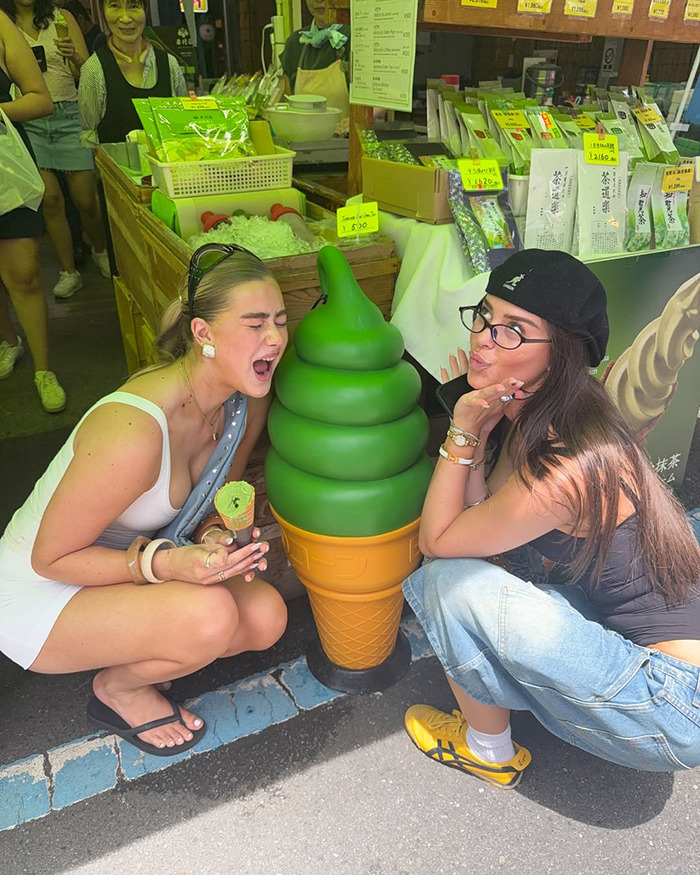
The photos, accompanied by the track Blueprint Supreme , show the 21-year-old and her friends eating ramen and matcha ice cream and posing next to a vending machine.
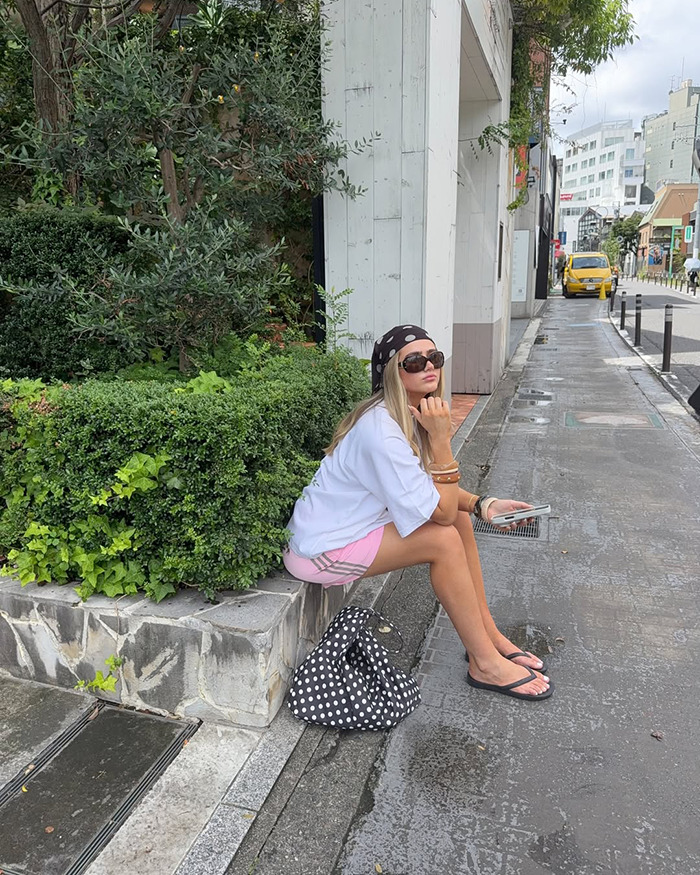
Australian influencer wearing sunglasses and polka dot headscarf posing beside a vending machine during Japan trip.
Sophia Begg faced backlash after sharing photos from Japan featuring a Mandarin-language song
The social media star got the language right when it came to her outfit, wearing pink shorts and an oversized T-shirt printed with the Japanese word suki (好き), which translates to “like” or “love.”
Still, she was accused of racism for overlaying her photos with a Mandarin-language song and wearing Japanese text as a fashion statement.
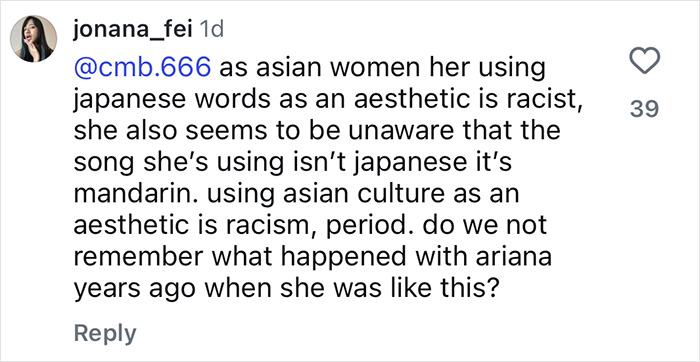
“As an Asian woman, [I find] her using Japanese words as an aesthetic racist,” one commenter complained. “She also seems to be unaware that the song she’s using isn’t Japanese, it’s Mandarin. Using Asian culture as an aesthetic is racism, period.”
Critics accused Sophia of cultural appropriation for using elements of Asian culture as a “trend”
Australian influencer taking a selfie in casual clothing with a friend inside a bright cafe during Japan trip.
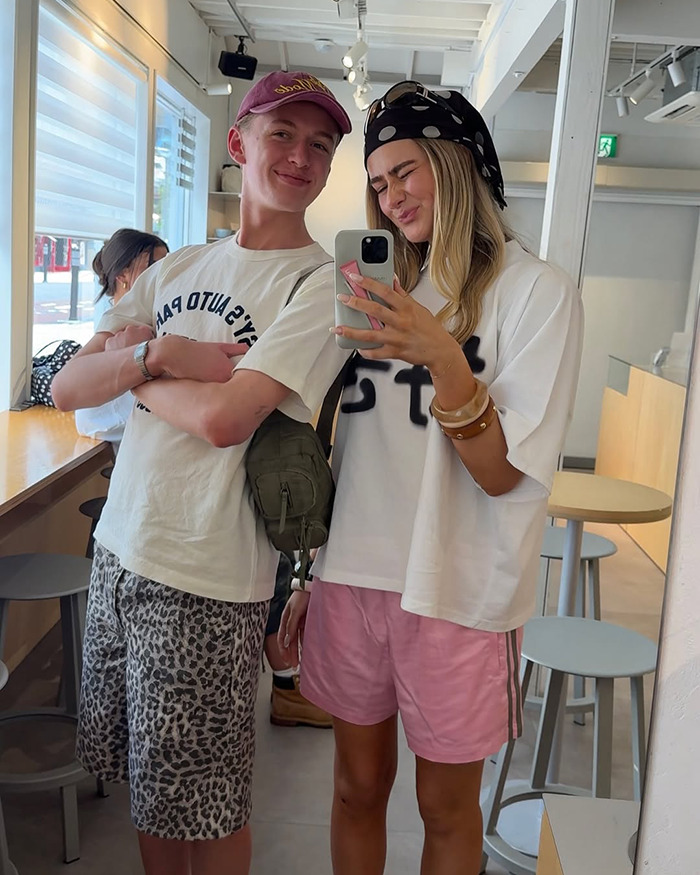
Another user echoed this feeling, writing, “Looks good, but it’s giving racism.”
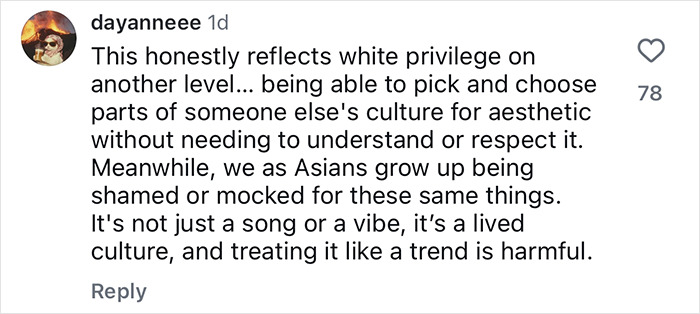
A third shared: “This honestly reflects white privilege on another level… being able to pick and choose parts of someone else’s culture for aesthetic without needing to understand or respect it. Meanwhile, we as Asians grow up being shamed or mocked for these same things.”
Two women posing on a Japan train during trip, related to Australian influencer criticized for tone deaf posts.
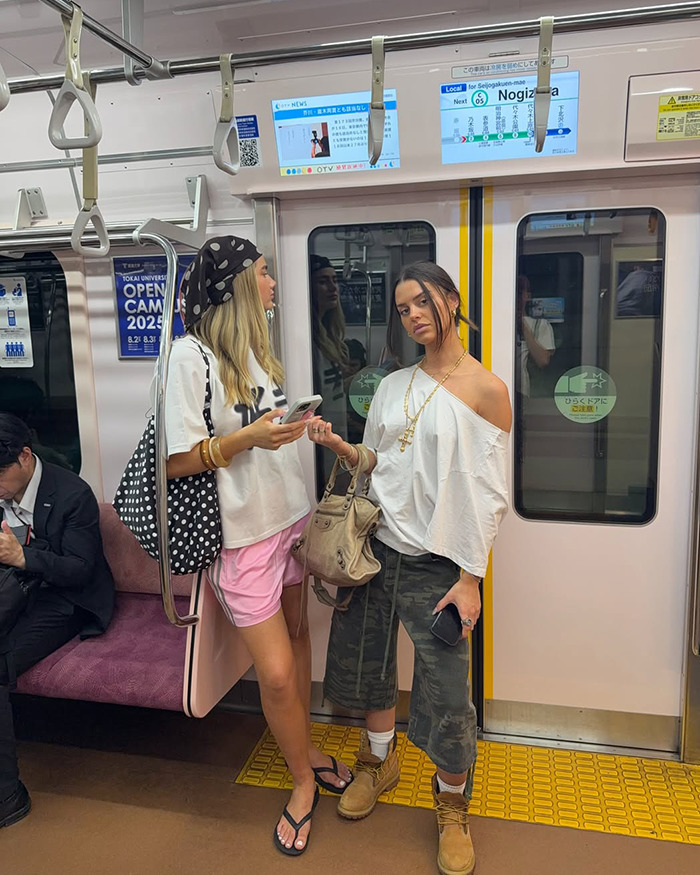
The user criticized Sophia for treating Japanese culture as a “vibe” or “trend.”
Others came to the influencer’s defense, saying there was nothing wrong with the touristy photos she shared. “She’s posting photos from her trip. I don’t know what else she’s supposed to do on holiday? How is that appropriation?”
Cultural appropriation involves using elements of a minority culture in ways that are seen as disrespectful or exploitative
Two women enjoying ramen noodles in a casual Japanese restaurant during an Australian influencer trip.
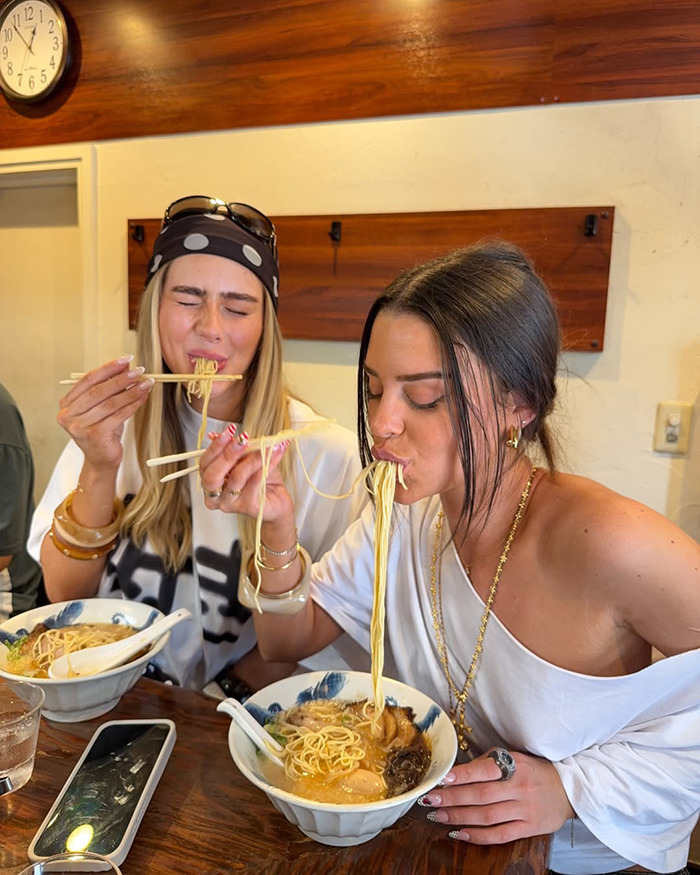
Sophia and her friends traveled from Australia to Japan on Thursday (July 17). Since then, she has posted several photos and videos on TikTok and Instagram, but has not addressed the criticism.
Cultural appropriation is the adoption of an element or elements of one culture by members of another, typically more dominant culture, in a way that is considered disrespectful, exploitative, or stereotypical.
The term implies a difference between appreciating a culture—which might include enjoying a country’s cuisine or learning a new language—and appropriating it, which involves taking something “without authority or right,” according to the Merriam-Webster definiti on.
The issue ofteninvolvesWestern or white populations adopting aspects of non-Western or non-white cultures
Australian influencer with a casual outfit holding a green drink, accused of tone deaf posts during Japan trip controversy.
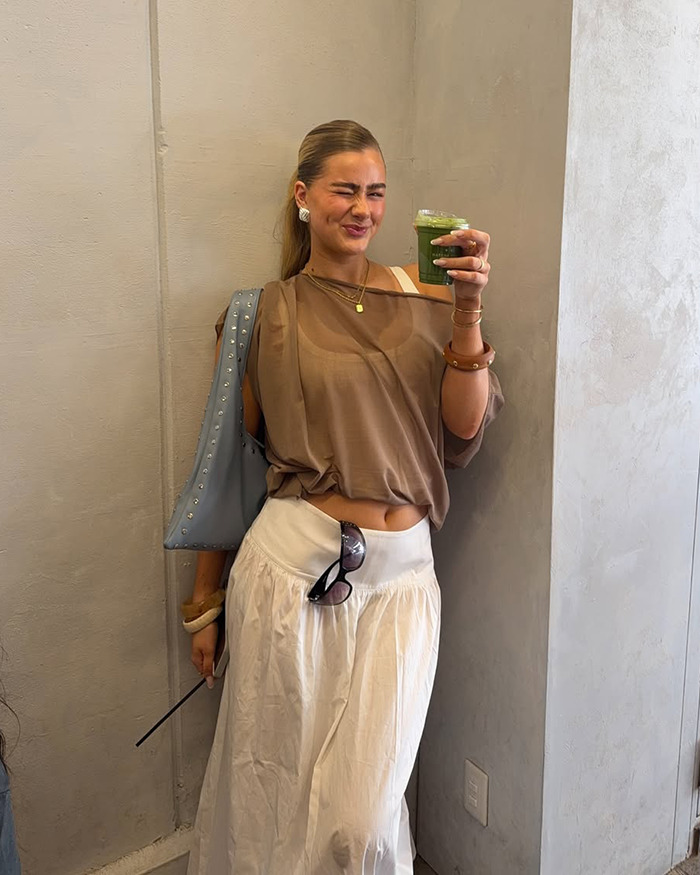
For instance, some have criticized the use of Native American warbonnets worn as headdresses as a trend at music festivals like Coachella.
Because cultural appropriation is often seen as an issue of the post colonial world, it is commonly used to describe instances in which Western or white populations adopt aspects of non-Western or non-white cultures.
Australian influencer sitting on a city sidewalk in Japan, wearing sunglasses and casual summer clothes during trip.
This includes when a member of a majority group profits financially or socially from the culture of a minority group.
In 2013, Katy Perry was criticized for perpetuating harmful stereotypes of Asian women after performing at the American Music Awards dressed as a geisha. The Firework singer appeared on stage dressed in a kimono, with her face heavily powdered.
Some netizens defended Sophia, stating that she was simply sharing typical tourist content from her trip
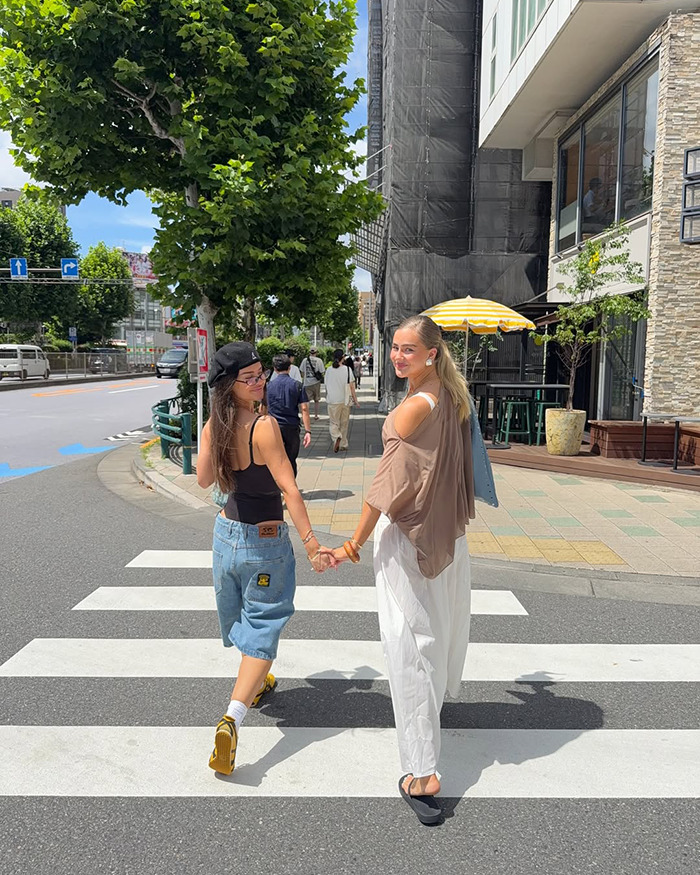
Two women holding hands crossing a street in Japan, capturing Australian influencer during Japan trip on a sunny day.
As per Britannica, a member of a majority group adopting an element of a minority culture without consequences, while members of the minority group have historically faced backlash for the same practice is also cultural appropriation .
An example of this is white people wearing their hair in dreadlocks.
Two young women posing with a large green ice cream cone outside a market during an Australian influencer Japan trip.
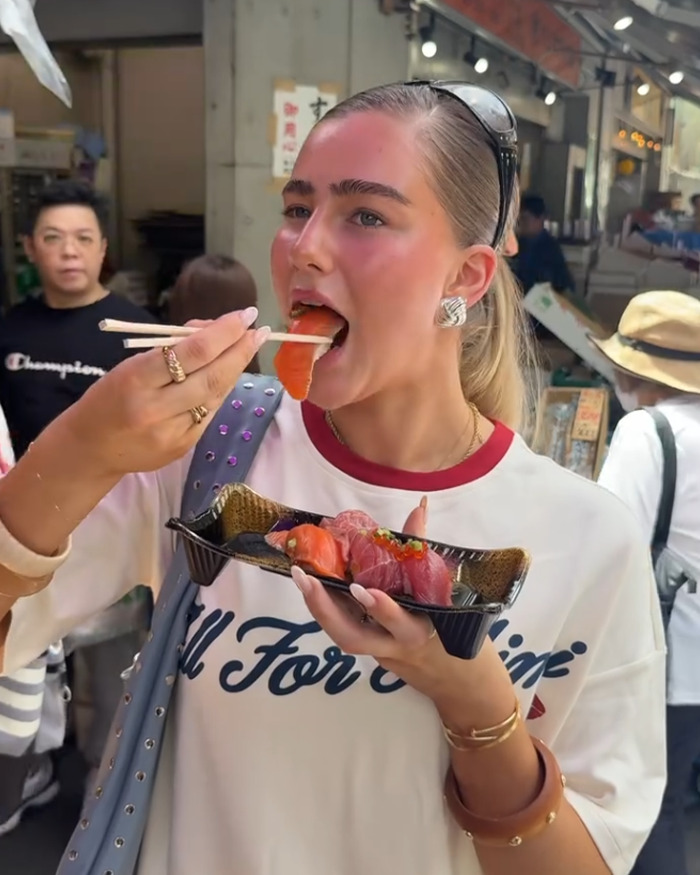
Young Australian influencer eating sushi with chopsticks during Japan trip in a bustling market setting.
Stars like Justin Bieber, Miley Cyrus, and Kim Kardashian have been accused of cultural appropriation for wearing the hairstyle, which is traditionally connected to the culture and identities of Black people.
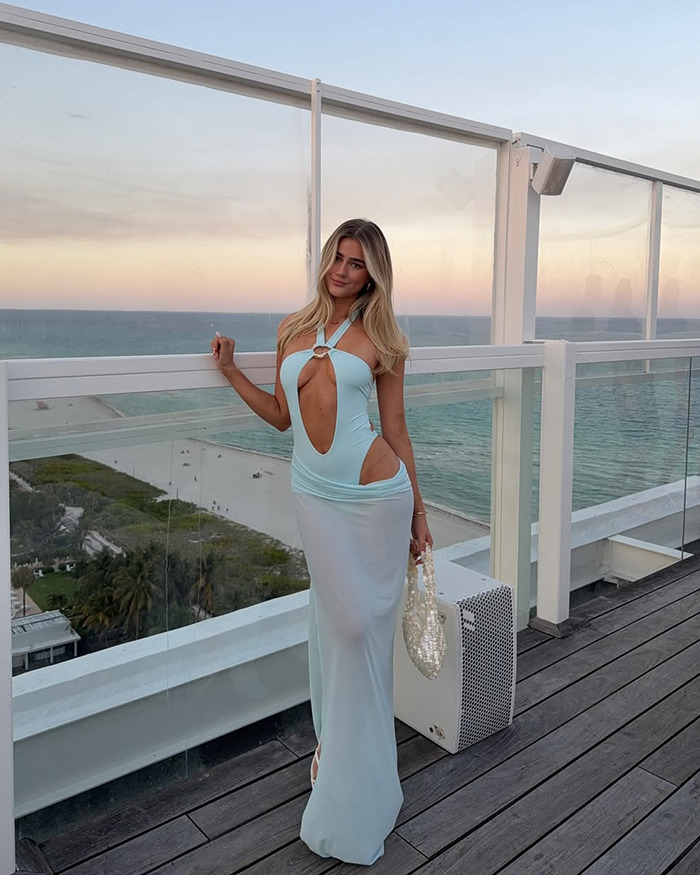
Australian influencer posing on balcony overlooking ocean at sunset during Japan trip amid tone deaf posts controversy.
Critics said the incidents highlighted how white celebrities are sometimes seen as edgy for wearing cornrows or dreadlocks while Black people are degraded for wearing their hair in similar styles.
The 21-year-old’s content from her trip to Japan sparked mixed reactions online
Screenshot of a social media comment reading the casual racism is sending me LMAO, related to Australian influencer posts.

Comment on Australian influencer’s tone deaf post during Japan trip, highlighting casual racism concerns.
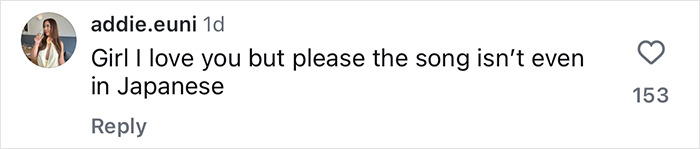
Screenshot of Instagram comment by user cloudicos expressing concern about a song being Chinese during an Australian influencer’s Japan trip controversy.

Screenshot of an Instagram comment criticizing an Australian influencer for tone deaf posts during Japan trip.

Screenshot of a social media comment criticizing white privilege and cultural disrespect during an Australian influencer’s Japan trip.
Screenshot of a social media comment reacting to an Australian influencer’s tone deaf posts during Japan trip controversy.

TikTok comment criticizing an Australian influencer’s tone deaf posts during Japan trip highlighting casual racism concerns.

Comment criticizing Australian influencer for using Japanese culture in tone deaf posts during Japan trip, sparking racism debate.
Thanks! Check out the results:

Anyone can write on Bored Panda. Start writing!
Follow Bored Panda on Google News!
Unlock an Enhanced Experience with Bored Panda Premium
Go ad-free, access unlimited content, and enjoy our sleek dark mode. Your favorite stories, uninterrupted.

No fees, cancel anytime

Olympian Makes Stunning Admission After Judge’s Conspicuous Scores Ignite Cheating Accusations
